Toothpaste is one of the most commonly used personal care products, yet most people reach for the same familiar tube out of habit without considering how different formulations can impact their dental health. With supermarket aisles stocked with dozens of varieties—whitening, anti-cavity, sensitivity, charcoal, and fluoride-free—the question becomes less about preference and more about what kind of toothpaste should I get.
At Family Dental Missoula, we believe that a well-informed choice in dental products is a cornerstone of effective oral health care. This guide breaks down the different types of toothpaste, the important ingredients, how to choose what’s best for your individual needs, and which options to avoid.
What Is Toothpaste and Why Does It Matter?
Toothpaste is not just a minty gel to freshen your breath—it’s a vital tool in your daily fight against plaque, tooth decay, and gum disease. While mechanical brushing is the most essential aspect of cleaning your teeth, the ingredients in your toothpaste enhance its effectiveness by:
- Delivering fluoride to strengthen enamel
- Removing surface stains and preventing tartar buildup
- Reducing tooth sensitivity
- Controlling bacterial growth that leads to bad breath and gum disease
The American Dental Association (ADA) emphasizes that choosing the right toothpaste can significantly improve the effectiveness of your oral hygiene routine. However, not all toothpastes are created equal. Some are designed for specific dental issues, while others are general-use formulas. Knowing which category your teeth fall into can help narrow down your options.
The Core Ingredients in Toothpaste
While brands may differ in flavor and packaging, most toothpastes contain several standard components:
- Abrasives: Usually calcium carbonate or hydrated silica, these help remove plaque and stains.
- Fluoride: Strengthens enamel and reduces the risk of cavities.
- Humectants: Keep the paste dry (e.g., glycerin or sorbitol).
- Detergents: Create foam, helping distribute ingredients (commonly sodium lauryl sulfate).
- Binders and thickeners: Maintain consistency.
- Flavorings and sweeteners: Enhance taste without using sugar.
Understanding these basics helps you interpret product labels and avoid ingredients that may irritate sensitive mouths.
Different Types of Toothpaste—and Who They’re For
1. Fluoride Toothpaste (Recommended for Most Adults and Children)
Fluoride is the most critical active ingredient in any toothpaste. According to the CDC, it helps remineralize weakened enamel and has been proven to reduce cavities by up to 40% in children and nearly 25% in adults.
Who it’s for: Everyone, unless medically advised otherwise.
Family Dental Missoula strongly recommends fluoride toothpaste for children and adults as a baseline for maintaining strong enamel and long-term oral health.
2. Whitening Toothpaste
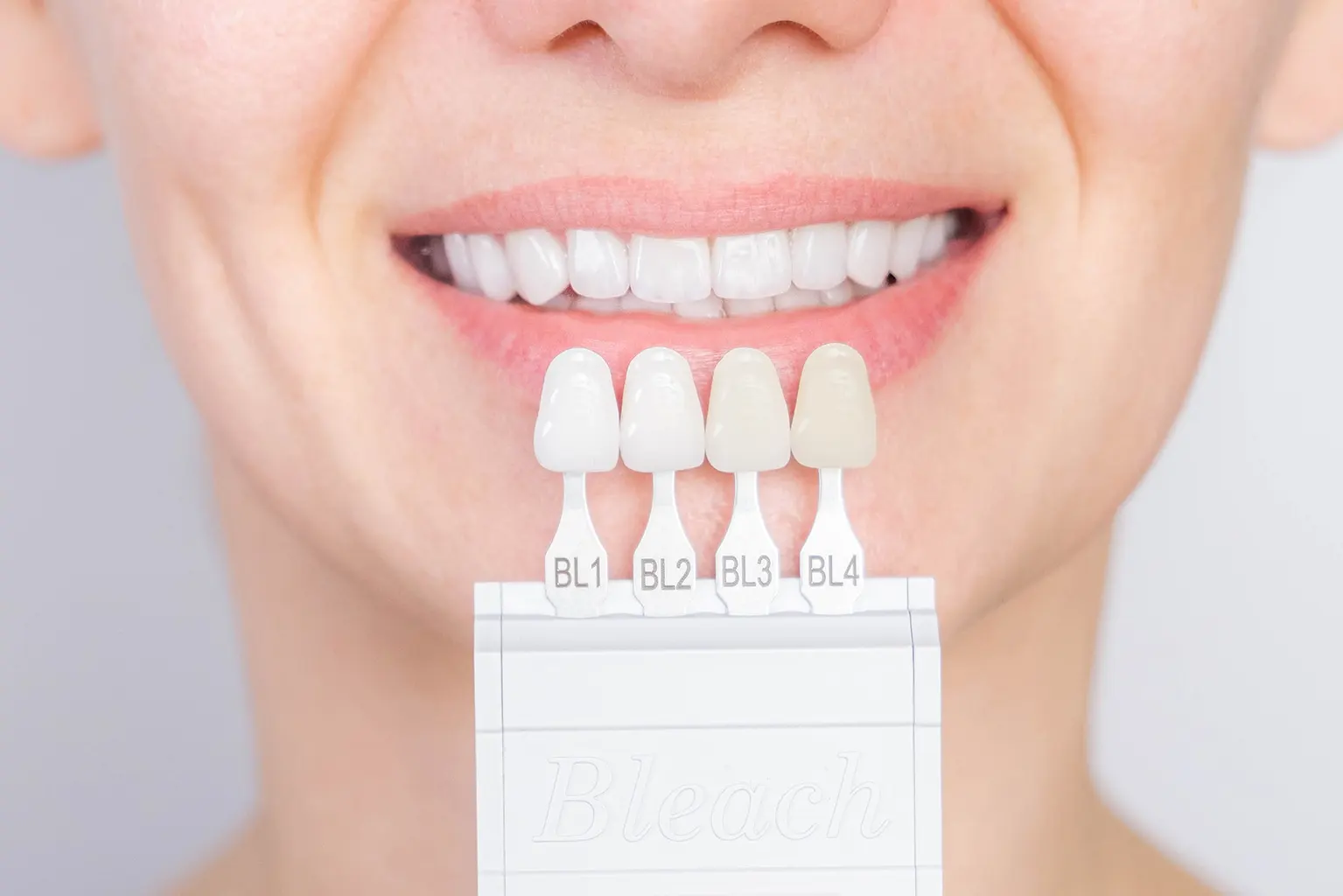
These contain mild abrasives or chemical agents like hydrogen peroxide to remove surface stains from coffee, tea, wine, and tobacco.
Caution: Whitening toothpastes can wear down enamel over time if overused, especially if they rely on aggressive abrasives. They’re also less effective than professional whitening and don’t change the teeth’s intrinsic color.
Who it’s for: Individuals with light surface stains but no sensitivity issues.
3. Toothpaste for Sensitive Teeth
Up to 40 million adults in the U.S. are affected by tooth sensitivity. Toothpastes containing potassium nitrate or stannous fluoride block nerve signals in exposed dentin.
Clinical trials published in the Journal of Clinical Periodontology confirm that desensitizing toothpastes significantly reduce sensitivity with daily use over 4–8 weeks.
Who it’s for: Anyone experiencing pain when consuming hot, cold, sweet, or acidic foods.
4. Anti-Gingivitis or Tartar Control Toothpaste
These contain antimicrobial agents like triclosan (no longer ADA-approved), stannous fluoride, or zinc citrate to fight plaque and tartar accumulation, which can lead to gum disease.
Who it’s for: People with a history of gingivitis, bleeding gums, or early periodontal disease.
Suppose you’re noticing early signs of gum disease, such as inflamed gums or bleeding when brushing. This type of toothpaste may be beneficial, especially when paired with regular cleanings at Family Dental Missoula.
5. Natural or Fluoride-Free Toothpaste
“Natural” toothpastes often replace fluoride with essential oils, charcoal, or herbal extracts. While some may appeal to those avoiding synthetic additives, these products lack fluoride’s cavity-preventing strength.
The ADA has warned that fluoride-free pastes may provide inadequate protection, especially for children, teenagers, and high-risk adults.
Who it’s for: Patients with fluoride allergies or those under a specific dentist’s recommendation.
6. Charcoal Toothpaste
Promoted for its whitening abilities, charcoal toothpaste is trending—but with significant risks. Studies from the British Dental Journal indicate that charcoal is highly abrasive and can wear away enamel, causing more harm than good.
Who it’s for: No one, unless specifically advised and monitored by a dentist.
At Family Dental Missoula, we generally advise against long-term use of charcoal products due to potential enamel erosion and the lack of clinical support.
Kids’ Toothpaste: What Parents Need to Know
Toothpaste for children contains less fluoride and often has kid-friendly flavors. A smear the size of a grain of rice is recommended for children under three, and for ages three to six, a pea-sized amount.
The CDC notes that nearly 38% of children use more toothpaste than recommended, increasing the risk of dental fluorosis. Parents should supervise brushing to ensure proper dosage and technique.
What Kind of Toothpaste Should I Get?
The right toothpaste depends on your dental needs, lifestyle, and oral health status. Here’s a breakdown of how to choose:
| Dental Need | Recommended Toothpaste Type |
|---|---|
| Cavity prevention | Fluoride-based |
| Sensitive teeth | Potassium nitrate or stannous fluoride |
| Surface stains | Whitening (moderate use) |
| Gum issues | Anti-gingivitis or tartar control |
| Children (under 6) | Low-fluoride pediatric formula |
| Avoiding additives | Natural, ADA-approved only |
The best way to choose is through a professional recommendation. At Family Dental Missoula, we review your dental history, exam results, and lifestyle habits to help guide your choice.
ADA Seal of Acceptance: A Must-Have
When comparing brands, always look for the ADA Seal of Acceptance. This seal indicates that the toothpaste has been tested for safety and effectiveness. Products without this seal may not contain clinically proven ingredients, or worse, may include harmful ones.
Cost vs. Effectiveness
A higher price doesn’t always mean better quality. Many generic or store-brand toothpastes with the ADA seal offer the same protection as premium labels. Consistency is more important: brush twice daily for two minutes with fluoride toothpaste and follow proper technique.
According to a Consumer Reports review, even low-cost ADA-approved brands effectively protect against decay and plaque when used correctly.
The Role of Toothpaste in Your Oral Health Routine
While toothpaste is essential, it’s only part of the bigger picture. Maintaining oral health requires:
- Twice-daily brushing with proper technique
- Flossing once per day
- Regular dental checkups and cleanings
- A diet low in sugar and acidic beverages
Toothpaste should support—not replace—good brushing habits. If you find yourself experiencing bad breath, gum bleeding, or persistent tooth pain despite using “specialized” toothpaste, it’s time to consult your dental provider.
Final Thoughts: A Small Tube with a Big Impact
Choosing the right toothpaste isn’t about marketing claims or flashy packaging—it’s about matching your oral needs with clinically backed ingredients. Whether you need help managing sensitivity, brightening your smile, or preventing cavities, the right formula exists for you.
At Family Dental Missoula, we encourage every patient to ask, “What kind of toothpaste should I get?” because that question leads to better decisions, healthier habits, and stronger smiles.
Please book an appointment today to discuss your oral care routine, and let us help you personalize your choices for optimal dental health.
Sources:
- American Dental Association (ADA): “Toothpaste FAQs”
- Centers for Disease Control and Prevention (CDC): “Children’s Oral Health”
- Journal of Clinical Periodontology: “Effectiveness of Desensitizing Toothpastes”
- British Dental Journal: “Charcoal Toothpastes: Efficacy and Safety Review”
- Consumer Reports: “Best and Worst Toothpastes from CR’s Tests”